Can Pvcfloortile China SPC Flooring Keep Up With Global Sustain
-
China SPC Flooring is now often mentioned when people talk about sustainability in building materials. What used to be a background topic has slowly moved into everyday discussions between suppliers and buyers. Instead of only comparing prices or designs, many projects now include questions about production methods and environmental impact. This shift is not sudden, but it is steady.
Inside manufacturing facilities, changes are happening in small but practical ways. Material selection is one example. Teams are reviewing what goes into each layer and considering whether certain elements can be reduced or adjusted. The idea is not to completely redesign everything at once, but to make gradual improvements that still keep production stable. In some cases, leftover materials are being collected and reused, which helps reduce waste over time.
Energy use is also being looked at more closely. Some factories are updating equipment step by step, replacing older machines with ones that use energy more efficiently. Others are focusing on monitoring systems that show where electricity is being consumed. Once there is clearer data, it becomes easier to make targeted adjustments. These are not dramatic changes, but they build up over time.
Another area that is getting attention is certification. Buyers in different regions often expect products to meet certain environmental or safety standards. This means manufacturers need to prepare documents, arrange testing, and make sure their processes match those requirements. It can take time, but it also helps create clearer communication between both sides.
Beyond the factory, supply chains are also being reconsidered. Packaging is one of the easier places to start. Some companies are reducing unnecessary layers or switching to simpler materials while still protecting the product during transport. Logistics is another factor. More efficient routes and better planning can help reduce fuel use during delivery.
Pvcfloortile is adjusting to these changes in a steady way, focusing on how products are made and how they perform over time. Instead of making big promises, the approach is to improve step by step. This includes refining production details and thinking about durability, which can influence how long a product stays in use. A longer service life can reduce the need for frequent replacement.
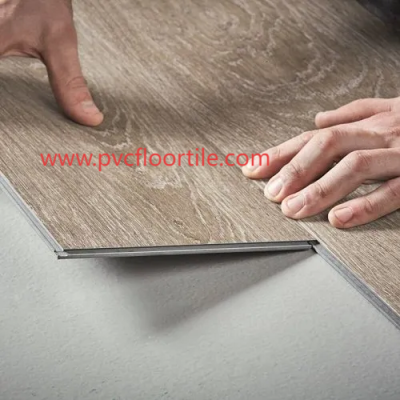
Design details are also part of the conversation. Products that are easier to install can help reduce material waste during construction. Improvements in structure and connection systems support smoother installation, which can save time and resources on site. These kinds of changes may seem small, but they fit into a larger effort to manage resources more carefully.
Looking ahead, the direction is likely to stay the same: gradual adjustment rather than sudden shifts. Requirements from different markets may continue to evolve, and expectations from buyers may become more detailed. Companies that stay flexible and continue refining their processes are more likely to adapt without major disruption.
For those considering sourcing options, it may be useful to look beyond appearance and consider how products are produced and handled along the way. More details can be viewed at https://www.pvcfloortile.com/