Categories
Tags
-
#professional headshot photography
#rv campground resort steinhatchee fl
#Why Science Is Still Afraid of ESP
#Dirt Driveway Repair Dahlonega ga
#fnp-c salary
#best poker coaching
#deep red Wallflower fabric
#Best Cleaning Services in Karachi
#tax resolution company Simpsonville
#Bear Skin Rug Taxidermy
#hot stone massage lancaster pa
#Thai Massage San Diego
#DME Billing New York
#Quiet weekend retreat Southern Illinois
#are cotton t-shirts good for workout?
#mandala art wall decor
#Macassar Ebony guitar
#House Washing Arlington
#sell mineral rights pa
#AFNAN 9 AM U 3.4 EDP SPR
Archives
The Art of Wilderness Taxidermy and Bear Skin Rug Taxidermy
-
Taxidermy is more than just preserving animals—it is an art form that combines science, craftsmanship, and an appreciation for wildlife. Among the various taxidermy services, Wilderness Taxidermy and Bear Skin Rug Taxidermy stand out as exceptional methods for bringing the outdoors into your home while preserving the beauty of nature.
Understanding Wilderness Taxidermy
Wilderness Taxidermy is the specialized practice of preserving wild animals in lifelike poses that capture their natural essence. Unlike standard taxidermy, which often focuses on hunting trophies or decorative mounts, wilderness taxidermy emphasizes authenticity and the representation of animals in their natural environment. From deer and elk to foxes and birds, wilderness taxidermy allows enthusiasts to appreciate wildlife up close without harming the ecosystem.
One of the core elements of wilderness taxidermy is attention to detail. Experienced taxidermists focus on anatomy, fur texture, and coloration to recreate the animal as it would appear in the wild. This requires a deep understanding of both biology and artistic presentation. When done correctly, wilderness taxidermy serves as a functional educational tool, a decorative masterpiece, and a testament to the beauty of nature.
The Appeal of Bear Skin Rug Taxidermy
While wilderness taxidermy often involves mounting animals in lifelike poses, Bear Skin Rug Taxidermy offers a unique form of display. As the name suggests, bear skin rugs involve the preservation of the entire hide, including the head and claws, to create a striking centerpiece for homes, lodges, and cabins. These rugs are more than just decorative items—they are symbols of wilderness adventure, craftsmanship, and the rugged beauty of North American wildlife.
The process of bear skin rug taxidermy requires specialized techniques. After the bear is ethically sourced or legally hunted, taxidermists carefully tan the hide to preserve its natural texture and color. The head is then mounted in a lifelike expression, often showing the bear’s majestic teeth and eyes, while the hide is spread and stitched to create a durable, aesthetically pleasing rug. The result is a functional piece of art that celebrates the raw beauty of the animal while maintaining durability for years to come.
Combining Craftsmanship and Conservation
One of the most important aspects of modern taxidermy, including both wilderness taxidermy and bear skin rug taxidermy, is the focus on conservation and ethical sourcing. Taxidermists today work closely with wildlife authorities to ensure that all animals are obtained legally, whether from licensed hunting, natural deaths, or wildlife management programs. This commitment ensures that taxidermy serves as a celebration of nature rather than a threat to it.
Moreover, taxidermists often use sustainable methods and environmentally friendly materials. For example, chemical tanning processes have evolved to reduce harmful emissions, and many taxidermy studios prioritize recycling and proper disposal of byproducts. By combining artistry with responsible practices, wilderness taxidermy and bear skin rug taxidermy allow enthusiasts to enjoy wildlife ethically and sustainably.
The Process Behind Wilderness Taxidermy
Creating a wilderness taxidermy mount is a meticulous process that requires patience, skill, and creativity. It typically begins with the preparation of the animal’s skin, which involves careful cleaning and preservation to prevent decay. Next, a custom form or mannequin is created to support the skin and provide structure for the mount. Taxidermists then carefully position the animal, paying close attention to natural poses, muscle structure, and facial expressions.
Fur and feathers are meticulously groomed, and glass eyes are often added to achieve realism. The final touches include painting, airbrushing, and sometimes adding environmental elements like branches, rocks, or foliage to create a lifelike display. For collectors and wildlife enthusiasts, these mounts serve not only as decorative pieces but also as educational tools, offering a glimpse into the behavior and appearance of animals in their natural habitats.
Enhancing Spaces with Bear Skin Rug Taxidermy
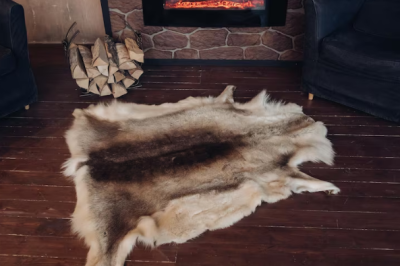
Bear Skin Rug Taxidermy brings a different kind of aesthetic appeal. Unlike mounted animals, bear rugs are designed to enhance interior spaces with warmth, texture, and a sense of the wilderness. Whether draped over a cabin floor, placed in a hunting lodge, or used as a statement piece in a rustic living room, these rugs create a striking visual impression.
Choosing the right bear skin rug requires consideration of size, color, and condition. High-quality taxidermists ensure that the rug is soft to the touch, symmetrical, and carefully finished. The head is often mounted with a lifelike expression, and the claws are preserved to maintain the authenticity of the display. Many homeowners appreciate the dual functionality of bear skin rugs—they serve as both a decorative element and a conversation starter, bridging the gap between art and nature.
Why Invest in Wilderness Taxidermy and Bear Skin Rug Taxidermy
Investing in professional wilderness taxidermy and bear skin rug taxidermy offers multiple benefits:
- Artistic Value: Each piece is handcrafted, unique, and often considered a collectible item.
- Educational Purpose: Taxidermy can teach wildlife enthusiasts about animal anatomy, behavior, and species conservation.
- Preservation of Memories: Hunters and adventurers often use taxidermy to commemorate meaningful experiences in the wild.
- Interior Design: Bear rugs and mounted animals add character and a rustic charm to homes, lodges, and offices.
- Sustainability: Ethical taxidermy practices support conservation efforts while providing a responsible way to enjoy wildlife.
Choosing the Right Taxidermist
The quality of your taxidermy piece depends heavily on the skill and experience of the taxidermist. When selecting a professional for wilderness taxidermy or bear skin rug taxidermy, consider their portfolio, reputation, and commitment to ethical practices. Experienced taxidermists will guide you through the process, ensuring that the final product meets both artistic and ethical standards.
Reputable taxidermy studios often offer consultations to help clients decide on the best pose, size, and placement for their mount or rug. Customization options, such as adding natural habitats or personalized bases, further enhance the beauty and uniqueness of each piece.
Preserving Your Taxidermy
Proper maintenance is essential for the longevity of taxidermy pieces. For wilderness taxidermy mounts, regular dusting and occasional airbrushing can help maintain color and realism. Bear skin rugs require gentle vacuuming and careful handling to prevent fur matting and damage. Many taxidermists also provide preservation tips or maintenance services to ensure that your investment remains in excellent condition for decades.
Conclusion
Both Wilderness Taxidermy and Bear Skin Rug Taxidermy celebrate the beauty of wildlife while combining artistry, craftsmanship, and ethical practices. Whether you are a wildlife enthusiast, hunter, or interior design aficionado, these forms of taxidermy offer a unique way to bring the majesty of the outdoors into your home. From lifelike mounts that capture the essence of wild animals to luxurious bear rugs that serve as functional art, taxidermy remains a timeless practice that connects humans with nature in an intimate and visually stunning way.
By choosing experienced professionals and supporting ethical taxidermy practices, you can enjoy the beauty of wildlife responsibly. Wilderness taxidermy and bear skin rug taxidermy are not just decorative items—they are celebrations of life, artistry, and the wild landscapes that inspire them.