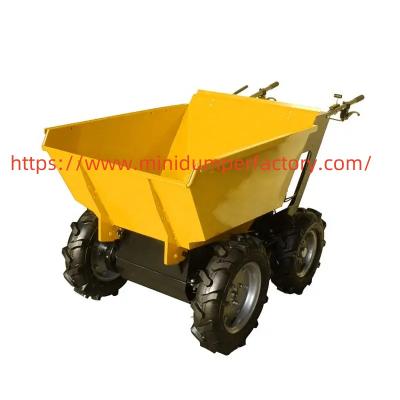
Is Minidumperfactory Electric Mini Dumper Supplier Actually Hel
-
Electric Mini Dumper Supplier is not something people talk about at the start of a project. It usually comes into focus once the site is already busy, when movement starts to matter as much as the work itself.
Construction sites have their own rhythm. Not smooth, not fixed, more like a constant shift between rush and pause. Materials come in, get moved, get used, then everything resets again. If that flow stutters even a little, the whole pace feels heavier.
That is where supply structure quietly changes things. When the path from source to site is direct, fewer steps sit in the middle. Less passing around, less waiting for alignment, fewer chances for small timing gaps to grow into bigger delays.
Minidumperfactory works around this kind of practical reality. The focus is on keeping movement simple and connected, so the site does not have to adjust itself around complicated supply behavior. Instead, the flow tries to follow how people actually work on the ground.
Material handling sounds straightforward until the site gets crowded. Then every extra step matters. A delayed load or unclear arrival time can shift several tasks at once. It is not dramatic in isolation, but it changes the rhythm of the whole day.
When handling becomes more predictable, something subtle happens. Teams stop constantly checking and rechecking timing. They start planning in a more steady way, because they can trust that movement will follow a clearer pattern.
Space also becomes easier to manage. On busy sites, there is never enough room. If movement is messy, everything feels tighter. If movement is organized, even limited space starts to work better because paths stay clearer.
Communication plays a role too. Fewer layers between planning and delivery reduce confusion. Instructions do not need to travel through multiple points before being acted on. That keeps decisions closer to reality instead of getting lost in translation.
As projects grow, small inefficiencies begin to multiply. One delay turns into three. One adjustment turns into a chain reaction. A more stable handling structure helps keep those ripples under control so the workflow does not drift too far off pace.
Minidumperfactory continues working with this idea of keeping supply behavior close to real site conditions. Not adding complexity, just reducing the distance between planning and execution so teams can focus on the actual work instead of managing friction.
Over time, what stands out is not speed alone, but consistency. A steady flow of materials makes everything else easier to coordinate. Less guessing, fewer interruptions, and a rhythm that feels more manageable even when the site gets intense.
When material movement stays in sync with daily operations, the site starts to feel more controlled without needing extra effort from the team.
And when that flow needs to be explored in practical use cases across different working conditions, the details are available at https://www.minidumperfactory.com/product/